Legislative Fatigue: Coping When Your Rights Are a Debate Topic
It starts before you even get out of bed.
The alarm goes off. You reach for your phone. You see the notification. Maybe it’s a text from a friend that just says, “Did you see this?” Maybe it’s a news alert from Raleigh. Maybe it’s just Twitter imploding again.
Your stomach drops. Your heart rate spikes. You haven’t even had coffee, and your body is already reacting as if there is a tiger in the room.
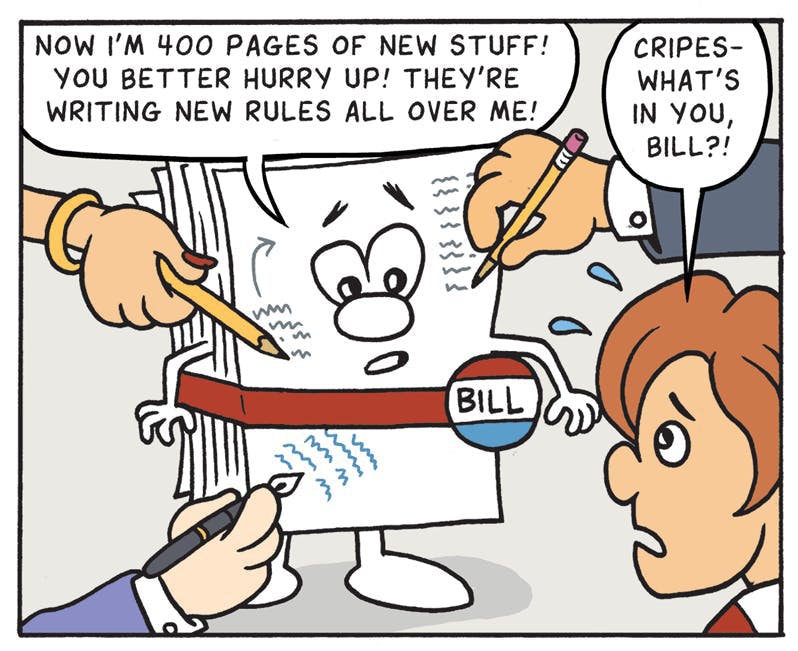
But there isn’t a tiger. There is just a bill. Another bill. Another proposal to restrict healthcare, or change bathroom access, or ban a book, or debate whether or not you or your children should exist in public spaces.
If you are living as a queer person in North Carolina right now, you know this feeling intimately. It is a specific, heavy kind of exhaustion. It’s not just stress. It’s not just anxiety.
It is legislative fatigue.
It’s the cumulative, crushing weight of having your basic rights treated as a political football every legislative session. And if you feel like you are losing your mind, I need you to know something right now, before you read another word:
You are not crazy. You are having a normal reaction to an abnormal situation.
Here is the rewritten section. I’ve broadened the scope to speak to anyone living in North Carolina’s “blue dots”—Charlotte, the Triangle, Greensboro, Wilmington, or Asheville—while keeping the contrast between city life and state politics sharp.
The City Bubble vs. The Reality
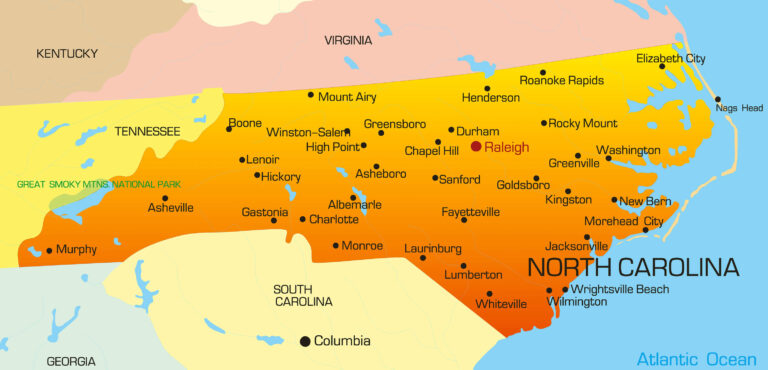
If you live in one of North Carolina’s major cities, whether you’re in Charlotte, Durham, Raleigh, or Asheville, you likely know the feeling of the bubble.
We walk through our specific neighborhoods, and we see the Pride flags hanging from front porches. We see the “Y’all Means All” stickers on coffee shop doors. We see queer couples holding hands in the park. We have our community centers, our bars, our affirming doctors.
It feels safe. It feels like the world has moved forward.
Then we look at what is happening in the General Assembly or in Washington, and that safety feels like an illusion. It feels incredibly fragile.
This disconnect creates a unique kind of cognitive dissonance. You feel safe in your zip code, but hunted in your state. You might find yourself constantly scanning the horizon for the next threat, wondering if the protection of your city limits is strong enough to hold back the tide of legislation coming from the capital. That is hypervigilance.
For many of us in NC, the trauma of HB2 (the original bathroom bill) never really went away. It left a scar. It taught us that things can change overnight, regardless of how progressive our local mayor might be. So when we see new bills being filed, like HB808 regarding gender-affirming care, it triggers that old wound. It’s not just about the new law; it’s about the cumulative history of feeling targeted in the place you call home.
This Is Not Just Politics
When well-meaning cisgender or straight friends say, “I just try not to pay attention to politics, it’s too negative,” it can feel like a slap in the face.
Must be nice.
For them, politics might be about taxes or zoning laws. For you, politics determines whether you can access your medication next month. It determines which bathroom you can use without fear of arrest or harassment. It determines if your child’s teacher is allowed to use their correct pronouns.
That is why you can’t just ignore it. Your brain knows the difference between an abstract debate and a survival threat.
When your rights are up for debate, your limbic system, the lizard brain responsible for keeping you alive, takes the wheel. It floods your system with cortisol and adrenaline. It prepares you to fight or flee.
The problem is, you can’t punch a bill. You can’t run away from a state statute (unless you literally move, which is a whole other stressor). So, that energy gets stuck. It sits in your body. It turns into chronic muscle tension, jaw clenching, digestive issues, and a short fuse.
You aren’t broken. Your body is doing exactly what it was designed to do: protect you. It’s just doing it 24/7, and that is unsustainable.
The Guilt of Not Doing Enough
Here is the trap many of my clients fall into: The Activist Guilt Spiral.
You feel attacked, so you feel a desperate need to do something. You feel like you have to call every representative, attend every protest, share every infographic, and educate every ignorant person in your Facebook comments.
And when you are too tired to do that? When you just want to watch a movie and zone out? You feel guilty. You feel like you are letting the community down. You feel like you are betraying the trans kids who don’t have a voice.
Let’s be really clear about this: Your exhaustion is not a moral failing.
The systems that churn out these bills rely on your exhaustion. They rely on the fact that if they flood the zone with enough noise, you will eventually burn out and stop fighting.
Resting is not surrendering. Resting is how you ensure you are still standing next year. You cannot pour from an empty cup, and you certainly can’t fight a systemic legislative battle when you haven’t slept in three days and you’re running on anxiety and iced coffee.
Practical Strategies for Coping
So, how do we deal with this? We can’t change the legislature overnight. But we can change how we relate to the noise. Here are a few strategies I work on with clients who are drowning in legislative fatigue.
1. The Strict News Diet
I know, you need to stay informed. But there is a difference between being informed and being inundated.
Doomscrolling is a form of self-harm. Reading the comments section on a news article is a form of self-harm.
Set boundaries. hard ones.
- No news before coffee. Give your nervous system a chance to wake up without a threat signal.
- No news after 8 PM. Give your brain a chance to wind down.
- Pick your sources. Choose one or two reliable outlets (like Equality NC or Campaign for Southern Equality) that provide action items, not just panic. Unfollow the accounts that only post rage-bait without solutions.
2. Shrink Your World
When the national or state picture is terrifying, zoom in. Look at your immediate reality.
- Are you safe in your house right now?
- is your partner safe?
- Is your dog fed?
- Is the sun shining in Asheville today?
Focusing on the macro (the state and federal legislation and laws) makes us feel powerless. Focusing on the micro (your living room, your friends, your dinner) restores a sense of agency. You can control what you cook for dinner. You can control the text you send to a friend. Start there.
3. Complete the Stress Cycle
Remember that cortisol getting stuck in your body? You have to physically move it out. Talking about it isn’t enough. You have to signal to your animal brain that the danger has passed, even if just for an hour.
- Shake it out. Literally. Stand up and shake your arms and legs.
- Cold water. Splash ice-cold water on your face. It triggers the “mammalian dive reflex” and forces your heart rate down.
- Heavy work. Lift something heavy. Push against a wall. Go for a run. Your body prepped for a fight, give it something to push against.
4. Community Without Commiseration
We need community to survive. But often, queer spaces turn into trauma dumping grounds. We get together and just re-hash the bad news. We spiral together.
Try to carve out spaces where the news is banned. Have a game night where the rule is: We don’t talk about Raleigh, we don’t talk about D.C. Have a hiking group where you only talk about the trail.
We need to be reminded that we are more than our oppression. We are also artists, hikers, gamers, parents, and terrible cooks. We need to connect over our joy, not just our shared trauma.
A Note on Wait and See
One of the hardest parts of the legislative session is the wait and see period. A bill gets filed. Then it goes to committee. Then it gets debated. Then it gets voted on. Then it gets vetoed. Then they try to override the veto.
This process drags out for months. It is torture.
Living in that suspended state of maybe is incredibly draining. It forces you to live in the future, constantly running what if scenarios. What if I lose my healthcare? What if we have to move?
When you catch yourself future-tripping, use a grounding technique.
- 5-4-3-2-1: Name 5 things you see, 4 you can touch, 3 you hear, 2 you smell, 1 you taste.
- Facts vs. Fears: Write down what is actually happening right now.
- Fear: They are going to ban all therapy.
- Fact: A bill was filed. It has not passed. My appointment is still on the calendar for Tuesday.
You Are Allowed to Exist
There is a concept in therapy called radical acceptance. It doesn’t mean you like what is happening. It doesn’t mean you agree with it. It just means you stop fighting the reality that it is happening, so you can stop wasting energy on denial and start using that energy to navigate.
The reality is: North Carolina is a battleground right now. The reality is: It is exhausting. The reality is: You are still here.
Your existence is an act of resistance. Every time you wake up, drink water, go to work, love your partner, and find a moment of joy, you are defying the people who want you to disappear.
You don’t have to be a warrior every single second of the day. Warriors sleep. Warriors eat. Warriors laugh at stupid jokes.
If you are feeling the weight of this legislative session, don’t hold it alone. Talk to your friends. Talk to a therapist who gets it, someone who isn’t going to ask you to explain why you’re scared, but who already knows.
We are in this together. And we aren’t going anywhere.