The Essential Guide to LGBTQ+ Resources in North Carolina: Navigating Community, Care, and Connection in 2026
Let’s be real, being queer in North Carolina right now feels like a bit of a balancing act.
One minute you’re enjoying the inclusive, mountain-air vibes of Asheville or grabbing coffee in a Durham bubble, and the next, you’re driving through a rural stretch where you might not feel entirely comfortable holding your partner’s hand at a gas station. It’s a state of high peaks and deep valleys, and I’m not just talking about the geography.
If you’re trans, non-binary, or queer in the Tar Heel State in 2026, you’ve likely noticed that finding solid, affirming care has gotten… well, complicated. From the Blue Ridge to the Outer Banks, our community is growing and resilient as ever, but the medical and social support systems haven’t always kept pace. Whether you’re trying to navigate the courthouse for a name change, looking for a doctor who actually gets gender-affirming care, or just want a space where you don’t have to do Queer 101 for your provider, finding the right resources isn’t just a luxury. It’s a lifeline for your mental health.
In a state that often feels split between its urban hubs and its rural backroads, your access to support shouldn’t depend on your zip code.
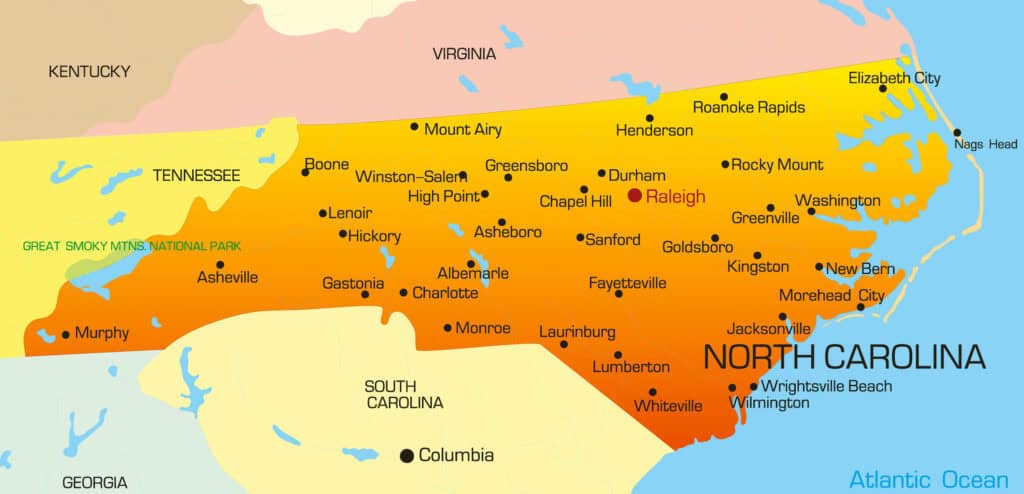
The Weird Duality of the NC Experience
For a lot of us, living here is a study in contrasts. We see the progress in cities like Charlotte, but we also know the isolation felt by our siblings in the rural Piedmont or out on the coastal plains.
This isolation isn’t just about feeling lonely; it’s a matter of healthcare equity. We have massive “therapy deserts” in this state—entire counties where there isn’t a single specialized LGBTQ+ clinician. This creates what we call minority stress, that heavy, background noise of anxiety and hyper-vigilance that eventually leads to burnout and depression.
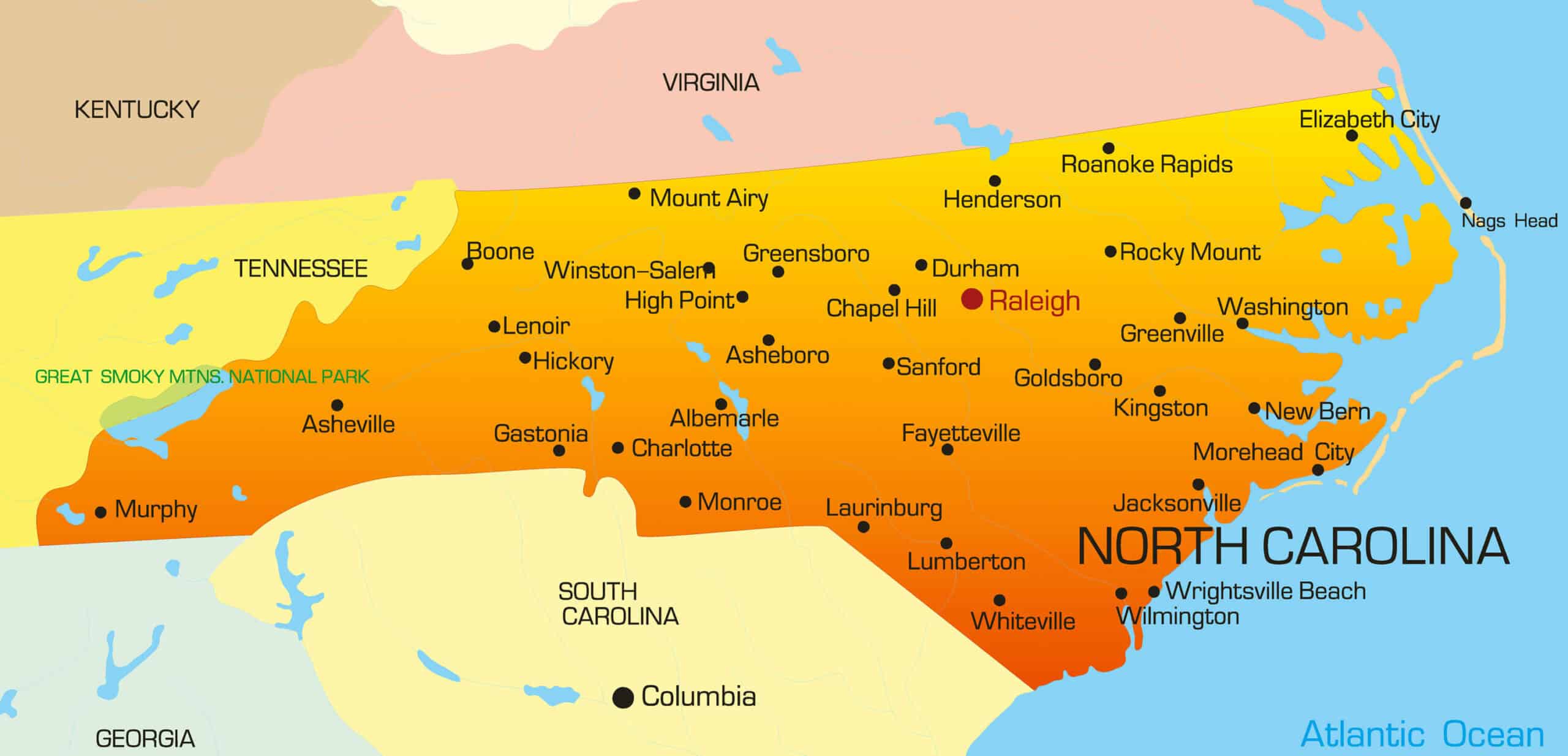
This guide is about cutting through that noise. It’s about building a toolkit so you can find your people, no matter where you’re parked on the map.
Statewide Advocacy
Regardless of which county you call home, these organizations are the ones in the trenches, keeping the legal and social framework from crumbling.
Equality North Carolina (ENC)
Equality NC is the “OG.” They are the oldest statewide LGBTQ+ advocacy group in the country, and they’ve been through it all. They’re your go-to for the big picture:
- Who to vote for: They vet local candidates so you know who actually has your back.
- The Raleigh Report: They keep us updated on bills that affect our healthcare and schools.
- Rural Outreach: They have specific programs for those of us living outside the big city bubbles.
The Campaign for Southern Equality (CSE)
Based in Asheville but working across the whole South, CSE is a powerhouse. Their Trans in the South guide is arguably the most important PDF you’ll ever download. It’s a vetted list of hundreds of providers who are actually affirming, not just “friendly.”
- The Emergency Project: They’ve become a critical resource for families navigating the recent legal shifts in youth healthcare, offering both navigation support and emergency grants.
ACLU of North Carolina
When things get legal—whether it’s at work, in your apartment complex, or at your kid’s school—the ACLU is the primary defender in the room. Their Know Your Rights guides are specific to NC law, which is vital when you’re facing discrimination.
Regional Hubs:
Sometimes you just need to be in a room (virtual or physical) where you don’t have to explain yourself.
Western NC:
The mountains have always been a bit of a refuge.
- Blue Ridge Pride (Asheville): They do way more than the festival; they maintain a directory of LGBTQ-certified businesses so you can find a mechanic or a realtor who actually wants your business.
- Tranzmission: A total cornerstone for the trans and non-binary community. They have a clothing closet, support groups, and a deep history of advocacy rooted in lived experience.
- Youth OUTRight: For the next generation (ages 11-24), this is the spot for building leadership and just… having a safe place to exist.
The Triangle:
With the highest concentration of queer folks in the state, the resources here are robust.
- LGBT Center of Raleigh: A massive facility. They have everything from Silver Seekers for our elders to First Friday mixers and parent support groups.
- LGBTQ Center of Durham: Known for its deep commitment to intersectionality, they offer host-home programs for youth experiencing housing instability.
The Piedmont & Charlotte
- Time Out Youth (Charlotte): A national model. They provide a drop-in center, housing support, and work directly with school GSAs.
- North Star LGBTQ+ Community Center (Winston-Salem): The heartbeat of the Triad. They’ve got a library, meeting spaces, and a solid calendar of events.
Eastern NC & The Coast
- LGBTQ Center of the Cape Fear Coast (Wilmington): A literal lighthouse for the coast. They host support groups that are often the only affirming spaces for fifty miles in any direction.
3. The Specialist Toolkit: Trans & Non-Binary Care
Navigating the medical system as a trans person in NC requires more than just a doctor—it requires an advocate.
- Charlotte Trans Health: A brilliant collaborative of providers—doctors, therapists, specialists—who are dedicated to the community. Their directory is the gold standard for finding surgeons and endocrinologists in the Piedmont.
- NC Name Change Guides: Legal Aid of North Carolina often teams up with queer nonprofits to host clinics. Don’t try to navigate the courthouse paperwork alone if you don’t have to.
4. Why Telehealth is a Game Changer for Us
I’m a therapist licensed for the entire state of North Carolina, and I’ve seen the Telehealth Revolution change lives in real-time.
In the old days, if you lived in a small town in Wilkes County or a rural stretch of the Inner Banks, you might have had to drive two hours to find a therapist who wouldn’t try to fix your identity. Now? That’s over.
The Digital Nest Benefits:
- Privacy is Everything: No more worrying about running into your neighbor in a waiting room or a parking lot. You can do the hard work from your own nest.
- Expertise Over Proximity: You aren’t stuck with whatever generalist is in your town. You can work with someone who specializes in queer trauma, polyamory, or gender dysphoria.
- The I-40 Factor: NC traffic and weather are wild. Telehealth means your healing doesn’t get canceled by a thunderstorm or a wreck on the interstate.
5. If You Need Help Right Now
If the headlines are feeling too heavy or the isolation is creeping in, please reach out. These lines are 24/7 and staffed by people who actually get it:
- The Trevor Project: Call 1-866-488-7386 or text ‘START’ to 678-678. (For youth).
- Trans Lifeline: Call 877-565-8860. This is peer support—trans people talking to trans people.
- SAGE Elder Hotline: Call 877-360-LGBT (5428). For our LGBTQ+ elders who may be feeling isolated.
You Are Not Alone
North Carolina is a state of immense possibility. While the news can feel like a lot to carry, the reality on the ground is a community that refuses to be quiet. From the organizers in tiny mountain towns to the specialists in the cities, we are building a network of care. And that network includes you.
Taking care of yourself is a political act. Whether that’s joining a virtual group, hitting up a pride event, or starting therapy with someone who truly sees you, you’re taking a step toward an authentic life.
If you’re looking for a mental health partner who understands the NC experience, I’m here. I offer confidential, affirming telehealth therapy for individuals and couples across the whole state. Your story deserves to be heard in a space where you are celebrated, not just tolerated. Reach out today.