
How to Find an LGBTQ+ Affirming Therapist Anywhere in North Carolina
Let’s be honest for a second: looking for a therapist is already a nightmare. You’re usually starting the search when you’re at your lowest, or at least when you’re feeling significantly done with your current situation. Now, add being queer or trans in North Carolina to that mix. Suddenly, you aren’t just looking for a professional; you’re looking for a needle in a haystack; one that won’t judge you, misgender you, or spend the first three sessions asking you to explain what non-binary means.
If you’ve ever scrolled through a directory and felt that sinking feeling in your chest, this is for you.
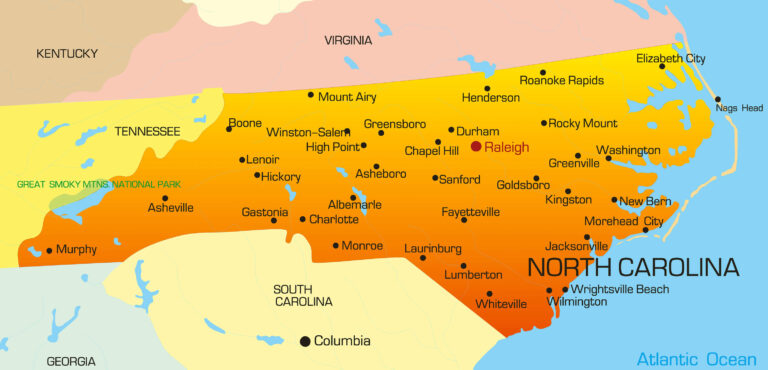
North Carolina is a beautiful, complicated place. We have the bustling, progressive pockets of the Triangle and Asheville, but we also have vast stretches of rural land where the nearest affirming anything might be a two-hour drive away. This shouldn’t be the case. Your mental health shouldn’t be a casualty of your zip code.
Whether you’re sitting in a coffee shop in Wilmington or in your living room in a tiny town in Wilkes County, here is how you find a therapist who actually gets it.
Defining Affirming (Because Friendly Isn’t Enough)
There is a massive difference between a therapist who is LGBTQ-friendly and one who is LGBTQ-affirming.

Friendly usually means, “I don’t have a problem with you, and I’ll be nice to you.” That’s great for a barista or a dry cleaner. It’s not enough for the person you’re trusting with your deepest traumas. An affirming therapist, on the other hand, understands that your identity is a core part of your lived experience. They recognize that your anxiety might be tied to minority stress, that your family dynamics are influenced by heteronormativity, and that your gender journey is valid, period.
The Green Flags to Look For:
- The Intake Paperwork: Does it ask for your pronouns? Does it have a space for your chosen name alongside your legal one?
- The Website Language: Are they using terms like gender-affirming care, minority stress, or letter writing for HRT?
- Continuing Education: Do they explicitly mention training in LGBTQ+ issues?
If their profile just says I treat everyone the same, proceed with caution. Treating everyone the same often means ignoring the very real societal pressures that queer folks face every day in the South.
The NC Geography Problem: Therapy Deserts
We have to talk about the Therapy Deserts in our state.
If you live in Raleigh, Durham, or Charlotte, you’re spoiled for choice. But North Carolina is mostly rural. For a lot of folks in the Piedmont or out toward the coast, the only local therapist might be someone who shares a parking lot with your church. That creates a massive barrier. The fear of being outed in a small-town waiting room is real. The fear that a therapist might try to pray away your identity is a trauma many North Carolinians carry.
This is why we have to shift our mindset from local care to statewide care.
Thanks to telehealth, your therapist doesn’t have to be in your town. They just have to be in your state. This opens the doors to specialists who live in the urban hubs but are licensed to work with you via video, whether you’re in a farmhouse or a high-rise.
Where to Actually Look (The Secret Directories)
Don’t just Google “therapist near me.” You’ll get a generic list that’s mostly paid ads. Instead, use the tools designed by the community, for the community.
The Campaign for Southern Equality: Trans in the South Guide
If you are trans or non-binary in NC, this is your gold standard. CSE is based in Asheville, and they spend an incredible amount of time vetting providers across the South. Their guide is a living document of doctors, lawyers, and therapists who have been community-vetted. It’s the closest thing we have to a safe list.
TherapyDen
Unlike the giant, older directories (looking at you, Psychology Today), TherapyDen was built with inclusivity in mind. Their search filters are much more nuanced. You can filter for therapists who specifically support polyamory, gender-affirming care, or even those who are anti-racist or body-positive.
OutCare Health
OutCare is a national non-profit that maintains the OutList. It’s a directory of healthcare providers who identify as culturally competent in LGBTQ+ care. It’s a great way to cross-reference a name you might have found elsewhere.
The Local Loophole
Even if a therapist is listed in Raleigh, look at their profile for Telehealth or Online Therapy. Most modern practices in NC are now 100% virtual or offer a hybrid model. If they are licensed in NC, they can see you anywhere from Murphy to Manteo.
The Telehealth Revolution: Embracing the Digital Nest
I know what some of you are thinking. “But is video therapy as good as being in the room?” Honestly? For many queer folks, it’s actually better.
Think about it. When you’re in a therapist’s office, you’re in their space. You’ve had to drive there, find parking, and sit in a lobby. But with telehealth, you’re in your nest. You’ve got your favorite candle lit. You’re wearing your most comfortable hoodie. Your cat is probably sitting on your feet.
That sense of safety—of being in your own environment—actually helps your brain open up faster. It lowers the hyper-vigilance that many of us feel when we’re out in public. For a community that has historically been marginalized in medical spaces, taking that power back and having therapy on your turf is a game changer.
Plus, the NC Factor: We all know I-40 is a nightmare. We know the weather in the mountains can turn from sunny to snowed-in in twenty minutes. Telehealth means your healing doesn’t stop because of traffic or a sudden January ice storm.
The Vibe Check: What to Ask in the Consultation
Most affirming therapists offer a free 15-minute consultation. Do not skip this. Think of it as an interview—because it is. You are the boss here. You are hiring them.
Ask the Hard Questions:
- “What is your experience working with people who have my specific identity?”
- “How do you handle it if you accidentally make a mistake with pronouns or terminology?” (The answer should be an apology and a correction, not a defensive speech).
- “Do you believe that gender identity is a mental health disorder, or a part of human diversity?”
- “How do you incorporate intersectionality into your work?”
Listen to their tone. If they sound flustered or like they’re trying too hard to be cool, they might not be the right fit. You want someone who is calm, knowledgeable, and, most importantly, humble.
Navigating the Money Maze (Insurance and NC)
We can’t talk about therapy without talking about the cost. In North Carolina, insurance coverage for mental health can be… hit or miss.
Many of the most highly specialized affirming therapists don’t take insurance directly (they are Out-of-Network). This is often because insurance companies make it incredibly difficult for specialists to get paid a living wage.
If you find a therapist you love but they don’t take your insurance, ask about:
- Sliding Scales: Many therapists keep a few spots open for lower-income clients.
- Superbills: You pay upfront, and the therapist gives you a document to send to your insurance for partial reimbursement. It’s a bit of paperwork, but it can save you 50-80% of the cost.
- Open Path Collective: This is a fantastic resource where you pay a one-time fee to access a directory of therapists who have agreed to see clients for $30–$70 per session.
A Note to the Rural Community
If you’re reading this from a small town in North Carolina, I want you to know that your isolation is not your fault. It is a systemic issue. But I also want you to know that the walls are coming down.
North Carolina is changing. There are clinicians all across this state—from the mountains to the sea—who wake up every morning specifically wanting to support people like you. You don’t have to settle for fine. You don’t have to settle for a therapist who tolerates you.
You deserve to be celebrated. You deserve a therapist who knows the difference between a crisis of identity and the crisis of living in a world that doesn’t always value your identity.
You Are the Expert on You
At the end of the day, a therapist is just a guide. You’re the one doing the heavy lifting. But having a guide who knows the terrain makes all the difference in the world.
Don’t be afraid to keep looking until you find that click. If a therapist feels off in the first session, it’s okay to say, “Thanks, but I don’t think this is the right fit.” It’s your time, your money, and your heart. Protect it.
North Carolina is a state of immense possibility, and that includes the possibility of you finding a space where you can finally breathe.
Ready to Start?
If you’re looking for someone who understands the specific NC Queer experience, I’d love to help. I offer telehealth therapy across the entire state, specializing in affirming care that meets you exactly where you are. No judgment, no explaining, just a safe space to grow.